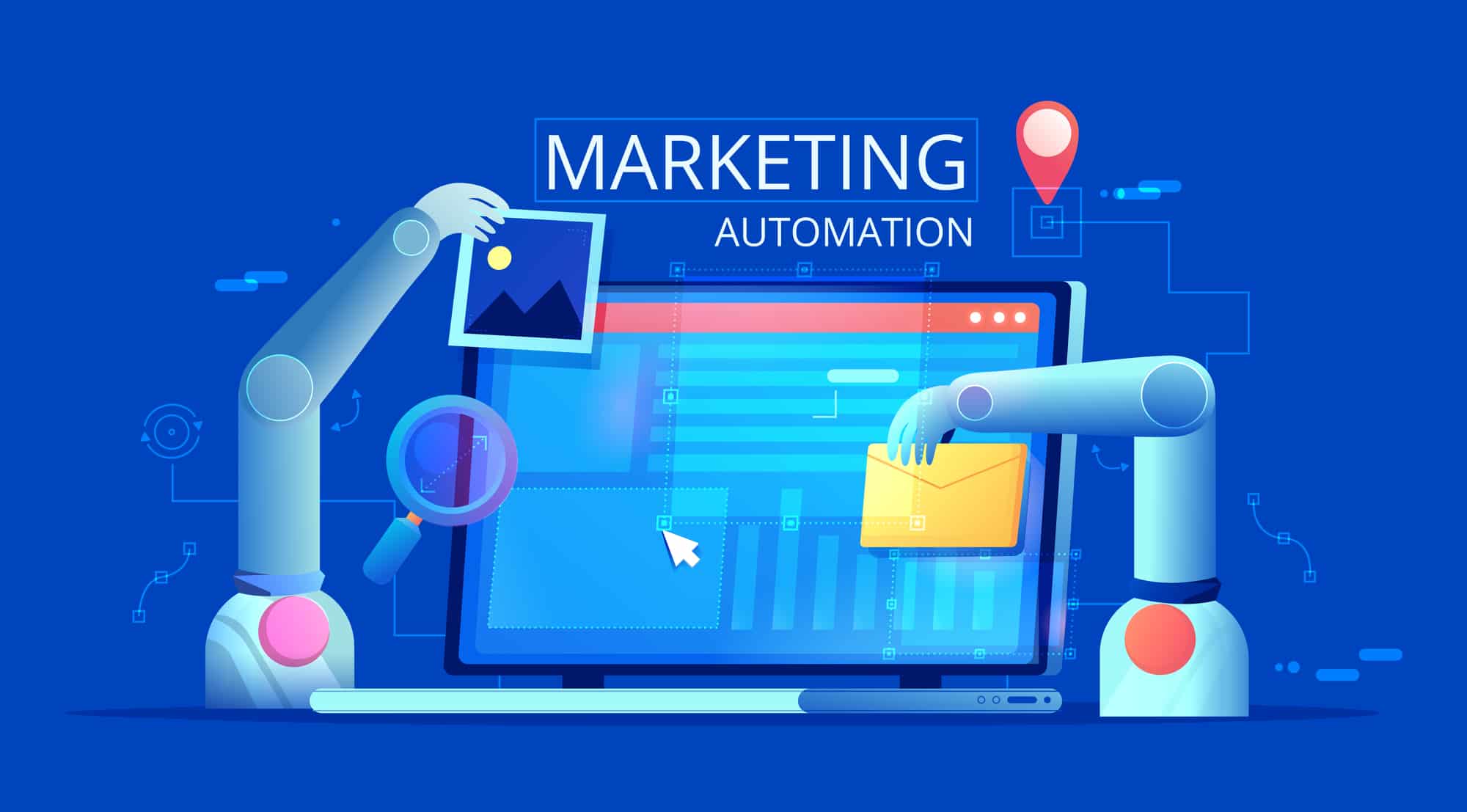
AI is changing marketing automation from a rule-based system into a smarter, more adaptive growth engine. Instead of simply sending the same email after the same trigger or placing every lead into the same sequence, AI can now analyze behavior, predict intent, personalize messaging, optimize timing, score leads, improve segmentation, and automate decisions across channels with much less manual work.
That matters because traditional marketing automation often reaches a ceiling. Basic workflows can save time, but they still rely heavily on human setup, static logic, and periodic manual optimization. AI makes automation more dynamic by continuously learning from outcomes and adjusting campaigns based on real customer behavior. In 2026, that means marketers can build systems that are not only automated, but also more intelligent and more efficient.
The best way to use AI for marketing automation is not to automate everything at once. It is to apply AI in the parts of the funnel where manual effort is high and patterns are strong: lead scoring, segmentation, email personalization, ad optimization, content generation, chatbot qualification, reporting, and campaign orchestration. When done well, AI helps teams save time, improve targeting, and generate better results from the same marketing budget.
What AI adds to automation
Traditional automation follows rules. For example, if someone downloads an ebook, they get a follow-up email sequence. That still works, but AI adds a decision layer on top. It can analyze which leads are most likely to convert, which message they are most likely to respond to, what time they are most likely to engage, and when they should move from marketing nurture to sales outreach.
This is why AI-powered automation is often described as a system with four connected layers: data readiness, intelligence, decisioning, and execution. One 2026 implementation guide explains that AI first unifies and interprets data, then applies predictive logic, then decides which action should happen, and finally triggers the action across tools such as email, CRM, ads, chatbots, and retargeting systems.
In practical terms, AI marketing automation does five especially useful things:
- Scores leads based on behavior and conversion signals.
- Creates more intelligent audience segments automatically.
- Personalizes content, offers, and journeys at scale.
- Optimizes campaigns continuously based on performance data.
- Reduces manual reporting and analysis work.
Start with clean data
The first step in using AI for marketing automation is not selecting a flashy tool. It is getting your data into a usable state. AI works best when customer data is organized, connected, and consistent across systems such as CRM, email, analytics, ad platforms, and website tracking. Improvado’s guide explains that AI agents are especially useful when they can transform raw data into analysis-ready formats, align metrics, and apply business-specific logic such as attribution or funnel mapping.
Without that foundation, AI will make poor decisions faster rather than better decisions smarter. If customer records are incomplete, event tracking is inconsistent, or channels are disconnected, lead scoring and personalization will be weak. This is why modern CDPs and AI-enabled data layers are becoming central to marketing automation: they help unify identity, segment behavior, and activate campaigns in real time.
Before building AI workflows, businesses should make sure they have at least:
- Reliable CRM and contact records.
- Event tracking for key website and campaign actions.
- Clear lifecycle stages and conversion definitions.
- Connected systems for email, analytics, and paid media.
Use AI for lead scoring and routing
One of the easiest and most valuable use cases is predictive lead scoring. Instead of treating every lead equally, AI models analyze intent signals, behavior, funnel progression, and profile data to estimate which prospects are most likely to convert. This allows marketing teams to prioritize better and route high-value leads to sales more quickly.
This matters because many businesses lose opportunities in the handoff between marketing and sales. AI can improve this by identifying leads that should go directly to a rep, leads that need more nurturing, and leads that are unlikely to convert soon. One 2026 best-practices guide specifically recommends predictive lead scoring as a core AI marketing automation use case because it increases efficiency and helps teams act on stronger intent signals.
A simple example looks like this: a visitor downloads a whitepaper, returns to the pricing page twice, opens two nurture emails, and views a case study. AI can recognize that behavior as a strong buying signal, increase the lead score automatically, notify sales, and trigger a more relevant follow-up path than a standard generic sequence.
Personalize email and journeys
Email remains one of the most powerful places to use AI because it combines rich customer data with clear automation opportunities. AI can improve subject lines, recommend send times, personalize copy, change content blocks dynamically, and adapt journeys based on behavior instead of fixed assumptions.
This is where AI goes beyond classic drip sequences. Rather than sending the same five-email flow to everyone who signs up, AI can identify who needs education, who responds better to offers, who is at risk of churning, and who is ready for a stronger sales push. According to 2026 marketing automation guidance, hyper-personalization and intelligent segmentation are now among the most important advantages AI brings to automation.
For e-commerce brands, this might mean changing product recommendations and send times by customer behavior. For B2B, it might mean tailoring nurture emails to job role, account activity, content engagement, and sales readiness. In both cases, AI helps make automation feel less like a broadcast system and more like a responsive conversation.
Automate content and campaign production
AI is also useful in the content layer of marketing automation. It can generate email drafts, ad copy, landing page variations, product descriptions, chatbot responses, campaign summaries, and testing ideas. This reduces production time and allows teams to run more experiments without increasing workload.
That does not mean marketers should publish everything AI writes without review. The better approach is to use AI as a production assistant: draft faster, test more versions, repurpose winning assets, and support campaign velocity. Platform comparisons for 2026 point to tools such as HubSpot Breeze, Jasper, and other AI content systems as strong options for this part of the workflow.
This is especially effective when combined with performance data. AI can look at which subject lines drive opens, which landing page angles convert, and which ad messages perform best, then help marketers create more variations based on what is already working.
Optimize ads and cross-channel orchestration
Paid media is another area where AI marketing automation creates major leverage. Instead of manually adjusting bids, budgets, and audiences every day, AI-driven systems can optimize campaigns continuously based on performance signals. Sources reviewing 2026 marketing stacks highlight tools such as Google Performance Max, Meta Advantage+, Revealbot, Smartly.io, and Albert.ai for automating media buying, audience targeting, budget allocation, and creative testing.
This matters because paid media performance changes quickly. Human marketers can review dashboards periodically, but AI can respond faster and at greater scale. It can shift budget toward stronger channels, refine audiences, test more creative combinations, and identify underperforming assets earlier. One guide describes this as self-optimizing marketing, where the system continuously learns and adjusts rather than waiting for a weekly manual review.
Cross-channel orchestration is where this becomes especially powerful. The same behavioral signals can trigger an email, update a CRM score, move a user into a retargeting audience, and notify sales. AI helps coordinate those actions so channels work together instead of operating in isolation.
Add chatbots and conversational workflows
AI chatbots are now an important part of marketing automation because they help qualify leads, answer common questions, and schedule meetings in real time. A 2026 implementation guide notes that conversational AI extends team capacity by engaging prospects 24/7 and moving qualified visitors further down the funnel without waiting for a human response.
This is particularly useful for businesses that generate traffic outside working hours or have long sales cycles. A chatbot can identify intent, collect contact details, recommend content, answer objections, and route qualified leads into the appropriate nurture or sales path.
The key is to connect chatbot interactions to the rest of the marketing stack. When chat data feeds into CRM, segmentation, and lead scoring, conversational AI becomes part of a larger automated system rather than a disconnected website widget.
Measure, train, and improve
Using AI for marketing automation is not a one-time setup. It requires ongoing measurement and refinement. Several 2026 guides emphasize that teams need to monitor outcomes, train staff to interpret AI-driven insights, and continuously improve systems based on what actually performs.
Important metrics include:
- Lead-to-opportunity conversion rate.
- Email open, click, and reply quality by segment.
- Cost per acquisition and return on ad spend.
- Sales cycle speed and lead response timing.
- Churn risk and retention outcomes for lifecycle campaigns.
AI is most effective when paired with human judgment. It can surface patterns and execute decisions at scale, but marketers still need to define goals, review outputs, protect brand quality, and ensure campaigns align with customer trust and privacy expectations. Klaviyo’s 2026 trend overview explicitly notes that AI and privacy will evolve together, which means personalization must still respect consent and data responsibility.
A practical rollout plan
For most businesses, the best rollout is phased:
- Clean and connect your marketing data.
- Add AI lead scoring and smarter segmentation.
- Improve email automation with AI-driven personalization and send-time optimization.
- Add AI content support for campaign production.
- Expand into ad optimization, chatbot qualification, and cross-channel orchestration.
In 2026, the best use of AI for marketing automation is not replacing marketers. It is giving marketers a smarter operating system. When AI is applied to data, segmentation, messaging, timing, and orchestration, it helps campaigns become more responsive, more personalized, and more efficient. That is the real opportunity: not just doing marketing automatically, but doing it more intelligently at scale.