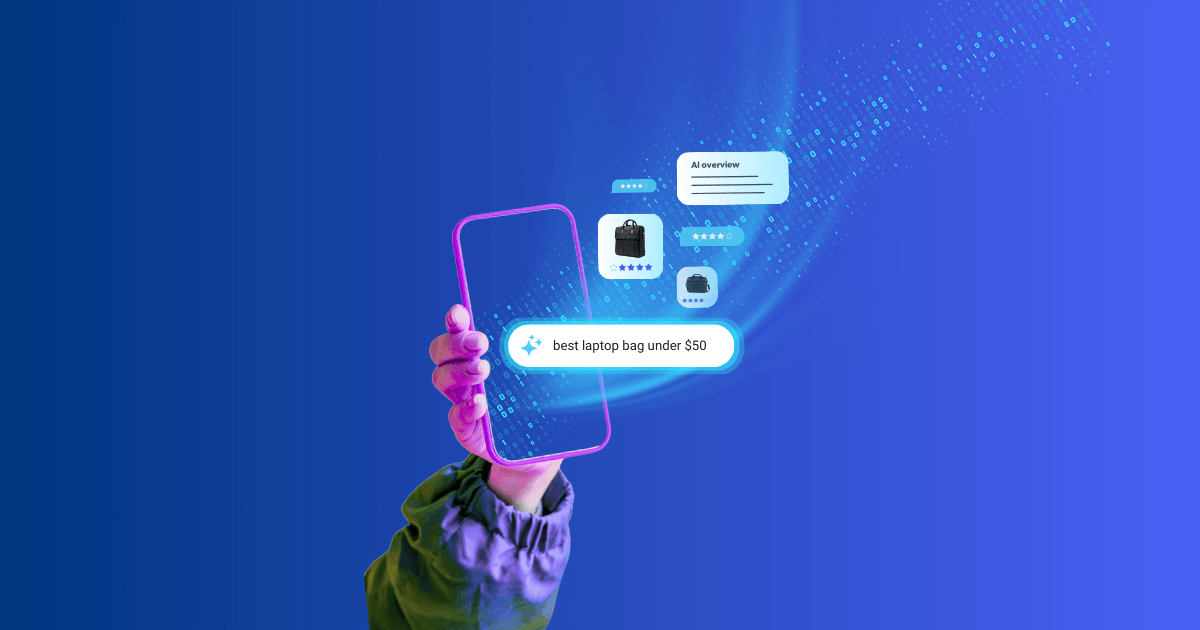
AI is reshaping e-commerce in 2026 by helping stores personalize shopping experiences, answer questions instantly, improve product discovery, automate retention, and optimize revenue decisions in real time. For online brands, the biggest advantage is not just efficiency; it is the ability to convert more visitors into buyers by reducing friction at every step of the customer journey.
That matters because most e-commerce stores do not have a traffic problem alone. They have a conversion problem. Visitors arrive, browse, hesitate, compare, abandon carts, and leave. AI helps close those gaps by making product recommendations more relevant, messaging more personalized, search more intuitive, and support faster. Recent 2026 sources point to strong gains from AI-powered personalization, recommendation systems, and chat-based shopping assistants.
The best e-commerce AI tools are not all trying to do the same job. Some focus on retention and lifecycle marketing, some on conversion optimization, some on product discovery and support, and others on analytics or content creation. The highest-performing stores usually combine a few of these tools into a focused stack rather than relying on one platform to do everything.
Why AI increases conversions
AI improves e-commerce conversions because it helps stores behave less like static catalogs and more like responsive sales environments. Instead of showing the same homepage, the same products, and the same offers to every visitor, AI allows stores to adjust recommendations, messages, popups, and timing based on intent and behavior. Advisable reports that AI-powered personalization can boost conversion rates by up to 23 percent, while recommendation engines can raise average order value by up to 50 percent.
That personalization effect shows up across multiple touchpoints. AI can reorder search results, suggest complementary products, change email timing, answer objections in chat, and identify the next best action for a shopper who seems likely to buy. Envive’s 2026 ecommerce statistics overview also cites McKinsey findings that AI-powered personalization can improve revenue by 10 to 15 percent on average, and up to 25 percent in best-case scenarios.
Chatbots are another major driver. When shoppers hesitate because of questions about size, shipping, fit, returns, or compatibility, a fast answer can be the difference between a sale and an exit. Envive notes that modern AI chatbots can contribute conversion improvements of 20 percent or more when they are implemented effectively.
Klaviyo: best for retention and lifecycle growth
Klaviyo remains one of the most important AI tools for e-commerce because retention often drives more profit than one-time acquisition. Several 2026 e-commerce tool roundups highlight Klaviyo for its predictive analytics, customer segmentation, churn-risk detection, next-order-date forecasting, and AI support for subject lines and send-time optimization.
This matters because many stores underuse their existing customer base. Klaviyo helps brands send smarter email and SMS campaigns based on what a customer is likely to do next rather than relying only on fixed sequences. According to Loyoly’s 2026 ranking, Klaviyo can forecast lifetime value, churn risk, and best send times, which makes retention automation much more strategic.
For example, instead of sending the same promotion to everyone, a store can use predictive signals to target at-risk customers, encourage repeat purchases before expected reorder dates, or upsell high-value buyers with more relevant messages. That kind of personalization improves both conversion and customer lifetime value.
Wisepops and on-site conversion tools
On-site conversion tools have become smarter with AI, and Wisepops is one of the more notable examples mentioned in 2026 e-commerce comparisons. Loyoly’s review highlights Wisepops for AI wishlist functionality, smart targeting, and generative text tools that help optimize headlines and calls to action while reducing popup fatigue.
This matters because popups and on-site messages often fail when they appear at the wrong time or feel generic. AI can improve timing and message relevance so prompts are more likely to drive signups, sales, or upsells instead of annoying visitors. A good on-site AI tool does not just show more popups; it shows the right prompt to the right person at the right moment.
For stores focused on list growth and conversion rate optimization, tools in this category can make a visible impact quickly. They help convert anonymous traffic into subscribers and move more visitors toward a first purchase.
AI chatbots and shopping assistants
AI chatbots are becoming one of the strongest categories in e-commerce because they combine support, guided selling, and conversion optimization in one layer. Tolstoy’s 2026 comparison describes its AI Shopper as an AI sales agent that answers product questions, recommends items, supports AI search, provides virtual try-on, surfaces product-page questions, and allows shoppers to add products to cart within the conversation.
This is important because many e-commerce decisions are blocked by uncertainty. A shopper may not know which version to choose, what size fits, whether a product matches a use case, or which accessories go with it. Conversational AI solves that by acting like a digital salesperson instead of a static search bar. Tolstoy specifically positions this as “ChatGPT for your brand,” which reflects how shopping chat is shifting from scripted support to intelligent product guidance.
For stores in categories like fashion, beauty, electronics, wellness, and home goods, this can be especially powerful. Virtual try-on, size recommendations, cross-sells, and real-time product matching help reduce purchase hesitation and raise average order value.
Other e-commerce chatbot solutions are also gaining traction. MxChat’s 2026 guide highlights the importance of chatbots for cart recovery, order tracking, and e-commerce-specific automations, especially for WordPress and WooCommerce stores. These support-oriented functions also matter for conversions because they reduce post-click uncertainty and make the buying process smoother.
Search, recommendations, and personalization engines
Product discovery is one of the biggest hidden conversion levers in e-commerce. If shoppers cannot find what they want quickly, even a strong product catalog will underperform. This is where AI-powered search and recommendation systems become essential. Bloomreach, for example, is highlighted in 2026 e-commerce coverage for using Loomi AI to power real-time personalization, autonomous search, dynamic content, and next-best-action logic across web, email, SMS, and app experiences. One source says ecommerce teams using Bloomreach can see revenue per visit rise by more than 20 percent.
This kind of tool matters because keyword search often fails when shoppers do not know exact product names. AI search can understand intent, natural language, and contextual clues, which makes it easier for customers to discover relevant products. Recommendation systems then extend that advantage by suggesting bundles, alternatives, accessories, and personalized product sets based on behavior and history.
In practical terms, this means a store can show different results to a first-time visitor than to a returning customer, highlight fit-relevant products for one shopper and budget-friendly options for another, or suggest complementary items that genuinely match the current purchase context. That is how AI increases both conversion rates and order values.
Gorgias, support, and revenue recovery
Support tools are increasingly part of the conversion stack, and Gorgias is one of the clearest examples. Needle’s 2026 founder guide highlights Gorgias plus AI Agent as a platform that combines e-commerce helpdesk functions, AI replies, order actions, omnichannel inbox management, and revenue attribution, with deep Shopify and Klaviyo integrations.
This is useful because customer support in e-commerce is not only about solving problems after a purchase. It also affects pre-purchase confidence and post-purchase retention. A support tool that resolves order questions quickly, automates repetitive responses, and turns service interactions into upsell or loyalty opportunities can have direct revenue impact.
AI support also lowers service costs while improving availability. BigCommerce notes that AI-powered chatbots and self-service options can handle a significant portion of inquiries, reducing the need for extensive human support teams while improving customer experience. That means support automation can protect margins and conversions at the same time.
Content, visuals, and product-page AI
E-commerce growth also depends on high-quality content, and AI helps here too. Zoho Commerce’s 2026 academy guide recommends tools such as Copy.ai and built-in product description generators for product titles and descriptions, Midjourney and mockup tools for visuals, Anyword and Lavender.ai for email generation, ChatGPT and Jasper for social media content, and Surfer SEO or Frase for blog content.
This category matters because weak product pages hurt conversion even when the traffic is good. AI can help generate clearer descriptions, stronger benefit-driven copy, more persuasive promotional emails, and better content for acquisition channels. It can also support visual experimentation with banners, product concepts, and campaign assets.
These tools are especially useful for smaller stores and lean teams that cannot hire separate specialists for copywriting, design, lifecycle email, and SEO. AI compresses production time, allowing brands to launch faster and test more creative angles with less operational strain.
Building the right AI stack
The best AI stack depends on your current bottleneck:
- Use Klaviyo if retention, email, SMS, and predictive customer marketing are your biggest opportunities.
- Use Tolstoy or another conversational shopping assistant if product questions and buying hesitation are hurting conversion.
- Use Bloomreach or similar search and personalization tools if product discovery and recommendation quality are weak.
- Use Wisepops or on-site optimization tools if you need to convert more traffic into subscribers and first-time buyers.
- Use Gorgias if support volume is growing and you want service interactions to contribute to revenue instead of only adding cost.
A smart e-commerce team does not start with every AI tool available. It starts with the conversion leaks. If visitors are not finding products, fix search and recommendations. If they are abandoning carts, improve chat and lifecycle recovery. If repeat orders are weak, improve retention automation.
Why AI matters now
The reason AI matters so much in e-commerce is that online shopping has become more competitive and more personalized at the same time. Customers now expect stores to understand what they want, answer quickly, and make buying easy. Stores that still operate like static catalogs will increasingly lose to those that use AI to create smarter, more responsive shopping experiences.
In 2026, the best e-commerce AI tools are not just about automation for its own sake. They increase sales by helping shoppers discover the right products, feel more confident, and receive more relevant messages at the right time. That is what drives conversions: less friction, more relevance, and better timing across the full customer journey.